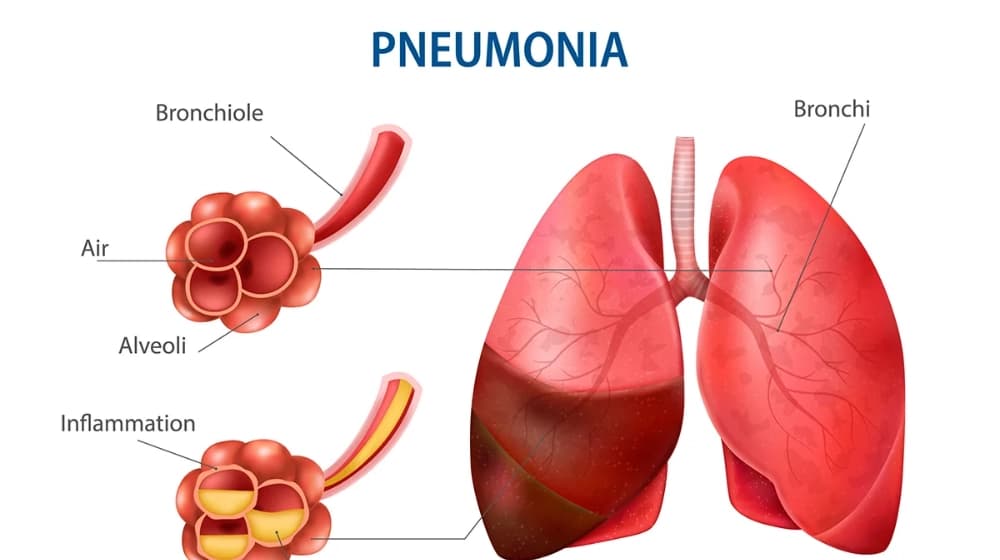
Lung infection and pneumonia are related, but they are not exactly the same thing.
Pneumonia is a type of lung infection that affects the lung tissue and air sacs (alveoli). The term lung infection is broader and may refer to different infections affecting the respiratory system, including pneumonia and some infections of the airways.
Understanding the difference between lung infection vs pneumonia is important because symptoms can overlap, but the cause, severity and treatment may be different.
A person with a respiratory infection may experience cough, fever, mucus, chest discomfort or breathing difficulty. However, these symptoms alone cannot confirm pneumonia. Doctors may use a physical examination, oxygen measurement, chest X-ray and other tests when needed.
Lung Infection vs Pneumonia: At a Glance
|
Feature |
Lung Infection |
Pneumonia |
|
Meaning |
Broad term for infections affecting the respiratory system |
Infection of the lungs |
|
Main area affected |
Airways or lung tissue, depending on the condition |
Mainly lung tissue and alveoli |
|
Examples |
Bronchitis, pneumonia, TB and some fungal infections |
Bacterial, viral or fungal pneumonia |
|
Common symptoms |
Cough, mucus, fever, wheezing |
Cough, fever, breathlessness, chest pain |
|
Chest X-ray |
May be normal depending on the infection |
May show inflammation or infiltrates |
|
Antibiotics |
Not always required |
May be needed for bacterial pneumonia |
|
Severity |
Can range from mild to severe |
Can range from mild to life-threatening |
What Is a Lung Infection?
Lung infection is a general term used to describe an infection affecting the lower respiratory system. The exact condition depends on which part of the respiratory system is involved and what organism is causing it.
Examples include:
Bronchitis
Bronchitis affects the bronchial airways and commonly causes cough, mucus, chest discomfort and sometimes wheezing. Acute bronchitis is usually caused by viruses and often improves without antibiotics.
Pneumonia
Pneumonia affects the deeper lung tissue and air sacs. Infection and inflammation can cause the alveoli to fill with fluid or pus, affecting normal oxygen exchange.
Tuberculosis
Tuberculosis (TB) can affect the lungs and may cause a persistent cough, fever, night sweats, weight loss or blood in sputum.
Fungal Lung Infections
Fungal infections of the lungs are less common but may occur more often in people with weakened immunity or certain environmental exposures.
This is why the term “lung infection” alone does not identify the exact disease.
What Is Pneumonia?
Pneumonia is an infection of one or both lungs. It can be caused by bacteria, viruses or fungi, with bacteria and viruses being common causes.
The infection causes inflammation in the lungs and may cause the alveoli to fill with fluid or pus. This can make breathing difficult and, in more severe cases, reduce oxygen levels.
Pneumonia can be mild, but it can also become serious, particularly in older adults, young children and people with certain underlying health conditions.
Is Pneumonia a Lung Infection?
Yes.
Pneumonia is a lung infection.
However, not every lung infection is pneumonia.
For example, acute bronchitis can involve infection and inflammation of the bronchial airways without being pneumonia.
The main difference is the part of the respiratory system affected.
Lung Infection vs Pneumonia Symptoms
Symptoms can overlap, so you cannot always tell the difference based only on how you feel.
Common symptoms of a respiratory infection may include:
-
Cough
-
Mucus or phlegm
-
Fever
-
Chest congestion
-
Wheezing
-
Fatigue
-
Sore throat or other cold-like symptoms
Pneumonia may cause:
-
Cough with or without mucus
-
Fever or chills
-
Shortness of breath
-
Chest pain, particularly while breathing or coughing
-
Fatigue
-
Low oxygen levels
-
Rapid breathing
Some people may also experience headache, muscle aches, nausea, vomiting or diarrhoea. Older adults may develop weakness or confusion instead of typical symptoms such as high fever.
Can You Have Pneumonia Without Fever?
Yes.
Fever is common with pneumonia but is not present in every patient. Older adults and people with weakened immune systems may have less typical symptoms.
Therefore, not having a fever does not completely rule out pneumonia.
Can You Have Pneumonia Without a Cough?
Yes. Although cough is common, some patients may have less typical symptoms.
Breathlessness, weakness, confusion or low oxygen may be more noticeable, particularly in older adults or people with other serious health conditions.
Bronchitis vs Pneumonia
Bronchitis and pneumonia are often confused because both can cause cough and breathing symptoms.
|
Feature |
Acute Bronchitis |
Pneumonia |
|
Main area affected |
Bronchial airways |
Lung tissue and alveoli |
|
Common cause |
Usually viral |
Bacteria, viruses or fungi |
|
Cough |
Very common |
Very common |
|
Fever |
May be mild or absent |
Common but not always present |
|
Breathlessness |
Usually mild |
Can be significant |
|
Chest X-ray |
Usually does not show pneumonia |
May show lung inflammation/infiltrates |
|
Antibiotics |
Usually not needed |
May be required for bacterial pneumonia |
A cough by itself cannot reliably distinguish bronchitis from pneumonia. A doctor may need to examine you and, when appropriate, order a chest X-ray or other tests.
What Causes Pneumonia?
Pneumonia can have different causes.
Bacterial pneumonia
Bacteria are an important cause of pneumonia. Streptococcus pneumoniae is one common bacterial cause.
Viral pneumonia
Viruses including influenza, RSV and SARS-CoV-2 can cause pneumonia.
Fungal pneumonia
Fungal pneumonia is less common and is more likely in certain people, particularly those with weakened immune systems.
Aspiration pneumonia
Pneumonia can also occur when food, saliva, vomit or other material enters the lungs instead of the digestive tract.
Because the cause can vary, treatment should not be decided simply by calling something a “lung infection.”
How Do Doctors Diagnose Pneumonia?
Symptoms alone are not enough to confirm pneumonia.
A doctor may consider:
-
Medical history
-
Physical examination
-
Oxygen saturation
-
Chest X-ray
-
Blood tests
-
Sputum testing
-
CT scan in selected cases
A chest X-ray is commonly used when pneumonia is suspected. Pulse oximetry can help assess oxygen levels, while blood or sputum tests may sometimes help identify the infection or its cause.
A CT scan or bronchoscopy may be considered in more complicated cases or when the diagnosis remains unclear.
How Is a Lung Infection Treated?
Treatment depends on the type and cause of infection.
Viral infections
Many uncomplicated viral respiratory infections improve with supportive care. Specific antiviral treatment may be appropriate for certain infections or higher-risk patients.
Bacterial infections
Bacterial infections may require antibiotics. The choice depends on the suspected infection, severity and individual patient factors.
Fungal infections
Fungal infections require specific antifungal treatment when appropriate.
Tuberculosis
TB requires a specific anti-tuberculosis treatment regimen and should not be treated like routine bacterial pneumonia.
Does Every Lung Infection Need Antibiotics?
No.
Antibiotics treat bacterial infections, not viral infections.
For example, acute bronchitis is usually viral, and routine antibiotics are not recommended for uncomplicated cases.
Taking antibiotics without medical advice can cause side effects and contribute to antibiotic resistance.
Can a Lung Infection Turn Into Pneumonia?
Some respiratory infections can progress to involve the lungs, but not every lung infection develops into pneumonia.
For example, a viral respiratory infection can sometimes lead to viral pneumonia. A secondary bacterial pneumonia can also develop following certain viral infections.
Seek medical evaluation if symptoms become significantly worse, especially if you develop:
-
Increasing breathlessness
-
Persistent or worsening fever
-
Chest pain
-
Low oxygen
-
Severe weakness
-
Confusion
-
Symptoms that improve and then become worse again
Who Is at Higher Risk of Severe Pneumonia?
Pneumonia can affect anyone, but the risk of severe illness is higher in certain groups.
These include:
-
Older adults
-
Young children
-
People with COPD
-
People with asthma
-
People with heart disease
-
People with diabetes
-
Smokers
-
People with weakened immunity
-
People with other serious medical conditions
Age and underlying health conditions can influence how severe pneumonia becomes.
When Should You See a Pulmonologist?
Consider consulting a pulmonologist if you have:
-
Persistent cough
-
Breathlessness
-
Recurrent chest infections
-
Wheezing
-
Chest pain associated with breathing
-
Abnormal chest X-ray
-
Pneumonia that is not improving
-
Repeated episodes of pneumonia
-
A history of chronic lung disease
-
Suspected TB or another unusual lung infection
At Jindal Chest, patients with persistent cough, breathing difficulty, recurrent infections or suspected pneumonia can undergo appropriate respiratory evaluation based on their symptoms and clinical history, including pulmonary function tests when lung function needs to be assessed.
When Is a Lung Infection an Emergency?
Seek urgent medical attention if you experience:
-
Severe difficulty breathing
-
Rapidly worsening breathlessness
-
Blue or grey lips or face
-
Severe or persistent chest pain
-
Confusion or difficulty staying awake
-
Coughing up significant amounts of blood
-
Very low oxygen levels
-
Severe weakness or fainting
These symptoms can indicate a serious respiratory illness and should not be managed with home treatment alone.
Frequently Asked Questions
Is lung infection the same as pneumonia?
No. Pneumonia is a type of lung infection, while “lung infection” is a broader term that may describe different respiratory infections.
Which is more serious: lung infection or pneumonia?
Neither term automatically determines severity. A lung infection can range from mild to severe, while pneumonia can also range from mild illness to a life-threatening condition.
How can I tell if I have pneumonia?
Symptoms such as cough, fever, breathlessness and chest pain can occur with pneumonia, but symptoms alone cannot confirm it. A doctor may recommend a chest X-ray and other tests.
Can pneumonia happen without fever?
Yes. Some patients, particularly older adults or those with weakened immunity, may not develop typical fever.
Does every pneumonia need antibiotics?
No. Antibiotics are used when bacterial pneumonia is suspected or confirmed. Viral pneumonia does not automatically require antibiotics.
Can bronchitis turn into pneumonia?
Not every case of bronchitis progresses to pneumonia. However, worsening symptoms or new breathlessness, high fever or chest pain should be medically evaluated.
Can tuberculosis be confused with pneumonia?
Yes. TB and pneumonia can have overlapping symptoms and imaging findings. Persistent cough, weight loss, night sweats or blood in sputum require appropriate medical evaluation.
Can pneumonia cause low oxygen?
Yes. In more significant pneumonia, inflammation and fluid in the lungs can interfere with oxygen transfer and cause low oxygen levels.
Conclusion
The key difference between lung infection vs pneumonia is that pneumonia specifically refers to an infection of the lungs, while lung infection is a broader term.
Bronchitis, pneumonia, tuberculosis and certain fungal infections can affect different parts of the respiratory system and require different approaches to diagnosis and treatment.
Because symptoms often overlap, persistent cough, fever, breathlessness, chest pain or worsening respiratory symptoms should not be self-diagnosed. A pulmonologist can determine whether you need a chest X-ray, oxygen assessment, blood tests or other investigations.
If you are experiencing persistent or recurrent respiratory symptoms, Jindal Chest can provide specialist evaluation for lung and respiratory conditions in Chandigarh. You can contact the clinic to book a consultation.
