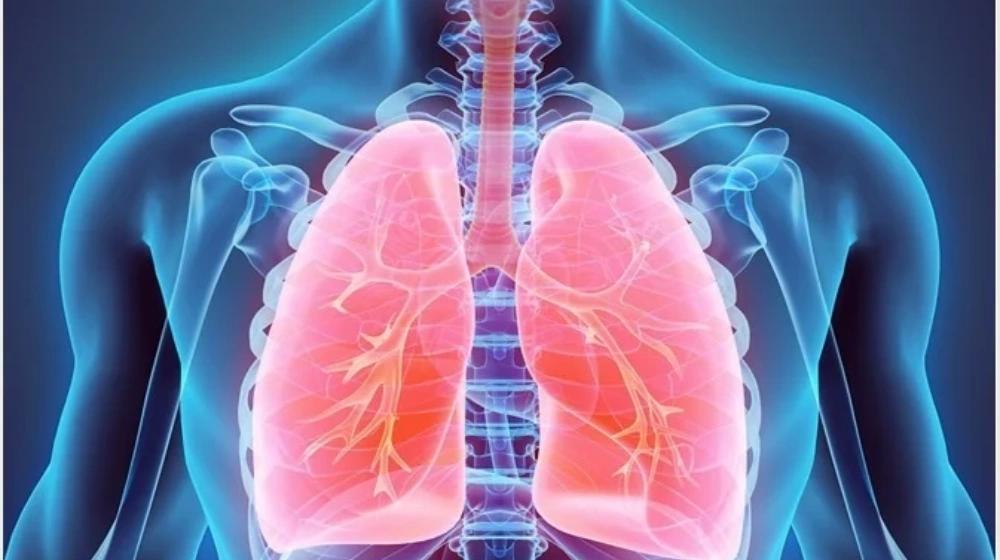
For someone with COPD (a long-term lung disease that obstructs airflow), a bad day isn’t always just a bad day. Sometimes breathing suddenly gets much harder. The cough worsens, mucus increases, and even walking across a room leaves you short of breath.
This is a COPD exacerbation, commonly called a flare-up. It can disrupt daily life and sleep, and in some cases needs hospital care. Catching it early gives treatment the best chance of working.
The short answer: a COPD exacerbation is a sudden worsening of breathlessness, cough or mucus beyond your usual. Respiratory infections and air pollution are common triggers. Contact your doctor promptly when symptoms change, and seek emergency help for severe breathlessness, chest pain, confusion or bluish lips.
What Is a COPD Exacerbation?
It is an episode in which respiratory symptoms become significantly worse than your usual day-to-day condition. It can build over a few days and last for several days or longer.
COPD includes:
● Chronic bronchitis: long-term airway inflammation, with a persistent cough and mucus.
● Emphysema: damage to the air sacs (alveoli), which reduces oxygen transfer.
During a flare-up, airway inflammation and mucus increase and breathing gets harder. Mild episodes may be managed at home under medical guidance, while severe ones may need hospital treatment.
Warning Signs of a COPD Flare-Up
The key is a noticeable change from your own normal. Look out for:
● More breathlessness. Activities that were manageable, such as stairs or a short walk, become hard. In severe cases, breathing is difficult even at rest.
● More coughing. A chronic cough becomes more frequent or intense.
● More mucus, or changes in it. You may cough up more, and it may be thicker or a different colour. Colour change can happen with infection but doesn’t by itself prove a bacterial infection.
● Wheezing and chest tightness. Narrowed, inflamed airways cause whistling sounds or tightness.
● Unusual tiredness. When breathing takes more effort, everyday tasks become exhausting.
● Disturbed sleep. Coughing and breathlessness may wake you at night.
If these are worse than usual, contact your treating doctor. Don’t wait to see if they pass.
What Causes a COPD Exacerbation?
1. Respiratory infections. These are among the most common triggers. Viruses such as influenza, and sometimes bacteria, inflame the airways. Look for more cough and mucus, worsening breathlessness, fever or chills, and general weakness.
2. Air pollution. Vehicle emissions, industrial pollution, construction dust, smoke from burning material, indoor cooking smoke and fine particulate matter can all irritate the airways. On poor-air-quality days, limit outdoor exertion and avoid smoke indoors.
3. Cigarette smoking. Smoking keeps damaging the lungs in people who already have COPD, and second-hand smoke also irritates the airways. Quitting is one of the most important steps in managing COPD.
4. Sudden weather changes. Cold air and temperature swings can irritate sensitive airways, and seasonal changes can bring more respiratory infections.
5. Dust and chemical irritants. Fumes, chemicals and dust at work or at home can aggravate symptoms. Protective measures and reducing exposure help.
6. Missed medicines or incorrect inhaler use. Skipping doses, using an inhaler incorrectly or stopping treatment without advice can lead to poor control. Ask your doctor to check your inhaler technique regularly.
Who Is at Higher Risk?
Anyone with COPD can have a flare-up, but risk is higher with:
● Previous exacerbations
● More severe airflow obstruction
● Continued smoking
● Frequent respiratory infections
● Exposure to air pollution
● Other conditions, such as heart disease
● Poorly controlled day-to-day symptoms
If you’ve had repeated exacerbations, ask your pulmonologist for a personalised prevention plan.
How Is an Exacerbation Diagnosed?
Doctors usually identify it from your worsening symptoms and medical history, asking about changes in breathlessness, cough, mucus and how long this has been going on. Depending on how you are, they may recommend:
● Pulse oximetry: a finger clip that estimates blood oxygen. It’s useful but doesn’t give the full picture.
● Chest X-ray: to look for pneumonia or other causes of worsening symptoms.
● Blood tests: to check for infection and other problems. In severe breathlessness, an arterial blood gas test measures oxygen, carbon dioxide and acid levels.
● Spirometry: the standard test for diagnosing and assessing COPD, but usually done when you’re stable rather than during a severe flare-up.
● Other tests: ECG, CT scan or further investigations to look for complications or other causes of breathlessness.
Not everyone needs every test. The choice depends on the severity of symptoms and your history.
Treatment Options
Treatment depends on severity, oxygen levels, medical history and whether infection or another condition is involved. The aims are to improve breathing, reduce airway inflammation and prevent complications.
● Bronchodilators: short-acting inhaled medicines that relax the airway muscles and ease breathlessness and wheezing, given by inhaler or nebuliser.
● Corticosteroids: for selected patients, a short course reduces airway inflammation. They need medical supervision because of side effects, especially with repeated use.
● Antibiotics: only when a bacterial infection is suspected or the clinical picture supports it. Many flare-ups are caused by viruses or non-infectious triggers. Don’t start antibiotics yourself.
● Oxygen therapy: some patients need extra oxygen. It must be carefully controlled and supervised, because the right level depends on the individual and blood gas results.
● Non-invasive ventilation (NIV): a mask connected to a machine supports breathing without a breathing tube. It may be used in selected patients with respiratory failure, particularly when carbon dioxide builds up in the blood.
● Hospital care: needed when symptoms are severe, oxygen is significantly low, breathing support is required, or other serious complications are present.
If you or a family member needs inpatient care, you can read about indoor admission and cashless hospitalization and insurance at Jindal Chest.
When Should You Seek Medical Help?
Contact your doctor promptly if you have:
● More breathlessness than your normal
● A significant increase in cough
● More mucus than usual, or a change in its thickness or colour
● More wheezing or chest tightness
● Fever or signs of a respiratory infection
● Difficulty with everyday activities
Seek emergency medical help immediately for severe breathlessness, difficulty speaking because of breathing problems, chest pain, confusion, fainting, or bluish lips or fingertips. Don’t wait for symptoms to improve on their own.
Have a COPD Action Plan
Ask your doctor for a written plan that lists:
● Your usual symptoms, so you can spot changes quickly
● Which medicines to take regularly, and how to use your inhaler correctly
● Who to call, and when, if symptoms worsen
● Which symptoms mean you should go to emergency care
Follow it as written. Don’t start or change antibiotics, steroids or oxygen without medical advice.
How to Help Prevent COPD Exacerbations
Not every flare-up can be prevented, but these steps can lower your risk:
1. Stop smoking and avoid second-hand smoke and other tobacco products. According to the WHO, smoking and air pollution are the most common causes of COPD.
2. Avoid air pollution and irritants. Check local air quality, limit strenuous outdoor activity on poor days, and avoid smoke, dust and fumes.
3. Take medicines as prescribed and use inhalers correctly. Don’t change or stop them without asking your doctor.
4. Stay up to date with vaccinations. Your doctor can advise on flu and pneumococcal vaccines based on your age, health and local guidelines. The NHS guide to living with COPD also covers vaccinations and keeping track of flare-up triggers.
5. Keep up with follow-ups. Regular reviews, including lung function tests, let your doctor monitor your condition and adjust treatment.
6. Consider pulmonary rehabilitation. This supervised programme of exercise, breathing techniques and education can help suitable patients improve exercise tolerance and manage daily activities.
7. Look after your general health. A balanced diet, enough sleep and activity suited to your condition all help.
COPD vs COPD Exacerbation
|
|
COPD |
COPD Exacerbation |
|
What it is |
A chronic lung disease |
A sudden worsening of existing COPD symptoms |
|
Symptoms |
Persistent cough and breathlessness |
Breathlessness, cough or mucus increase noticeably |
|
Management |
Ongoing, long-term |
May need extra or urgent treatment |
|
Duration |
Long-term |
Several days or longer, depending on severity |
Knowing the difference helps you recognise when your usual symptoms have changed and it’s time to call your doctor.
Get Expert Respiratory Care at Jindal Chest, Chandigarh
Living with COPD means regular monitoring, the right treatment and quick action on changes in symptoms. A sudden rise in breathlessness, cough or mucus should be checked promptly, especially if you have had flare-ups before.
Jindal Chest, Chandigarh provides pulmonary medicine services and respiratory diagnostic facilities. You can also read about the conditions evaluated on its lung and respiratory diseases page. If you or a family member has worsening COPD symptoms, book an appointment with a pulmonologist for assessment and a treatment plan.
Frequently Asked Questions
What is a COPD exacerbation?
A sudden worsening of breathing symptoms beyond your usual condition, commonly more breathlessness, cough and mucus.
What are the early warning signs of a flare-up?
More breathlessness, more frequent coughing, increased or changed mucus, and unusual tiredness.
What is the most common cause?
Respiratory infections, both viral and bacterial. Air pollution, smoke and other irritants can also trigger flare-ups.
How long does a COPD exacerbation last?
It varies with severity, cause and response to treatment. Some people improve within days, while others take several weeks to recover fully.
Can an exacerbation be treated at home?
Some mild ones can, under a doctor’s guidance. Worsening or severe breathlessness, chest pain, confusion or other emergency signs need urgent medical care.
Are antibiotics needed for every exacerbation?
No. They’re appropriate only when a bacterial infection is suspected or supported by clinical findings. Many flare-ups are viral or non-infectious.
Can air pollution trigger a flare-up?
Yes. Particulate matter, smoke, dust and other pollutants can irritate the airways and worsen symptoms.
Can exacerbations be prevented?
Not all of them, but quitting smoking, avoiding irritants, taking medicines correctly, getting recommended vaccinations and attending regular check-ups can lower the risk.
When should someone with COPD go to hospital?
When breathlessness is severe, oxygen is significantly low, or there is confusion, chest pain or a need for breathing support. Treat severe symptoms as an emergency.
