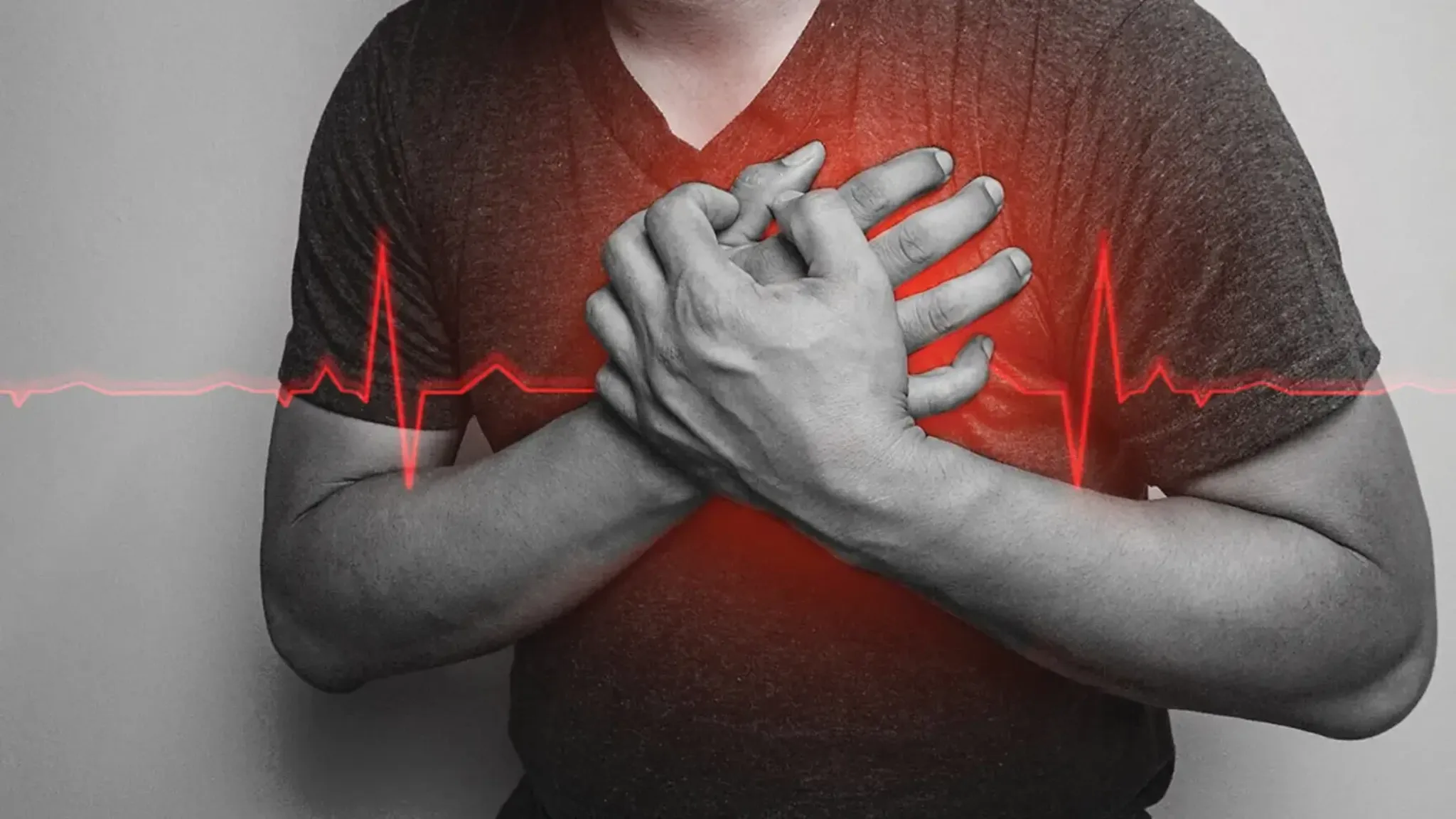
Chest tightness is a symptom, not a diagnosis. Often the cause is harmless: asthma, reflux, a pulled muscle or anxiety. But the same feeling is also how a heart attack or a blood clot in the lung can begin, so doctors rule out the dangerous causes first. If the tightness is new, severe or comes with other symptoms, do not guess.
This guide explains what chest tightness feels like, the main causes, how the clues differ, which tests help, and when to act at once.
Get emergency help first if
Call 112 (or your local ambulance number, 108 in many states) and do not drive yourself if the tightness:
-
starts suddenly and feels like heavy pressure, squeezing or crushing
-
comes with severe breathlessness, cold sweat, nausea or vomiting
-
spreads to the arm, shoulder, jaw, neck, back or upper belly
-
comes with fainting, dizziness or a racing or irregular heartbeat
-
does not ease within a few minutes of rest
-
comes with coughing up blood
Sit down, loosen tight clothing and stay still until help arrives. Do not wait to see whether it passes. Jindal Chest lists 24x7 emergency services, but if you suspect a heart attack, go to the nearest hospital with a cardiac emergency unit.
What does chest tightness feel like?
People describe it as pressure, a band around the chest, a weight sitting on the breastbone, or not being able to take a satisfying deep breath. It may be in the centre or spread across the chest, and it can last seconds or hours. The feeling alone does not tell you the cause. Timing, triggers and the symptoms that come with it do.
The main causes
Asthma and other airway problems
In asthma the airways swell and narrow, so air moves through them with effort. Tightness is often the first sign, usually with wheezing, a dry cough or breathlessness. It tends to be worse at night or early morning and after dust, smoke, pollen, cold air, exercise or a cold. If this pattern keeps returning, get your lungs tested rather than treating each episode as a one-off.
COPD, infections and other lung conditions
People with COPD, usually long-term smokers or those exposed to heavy smoke and pollution, can have a constant tight feeling with breathlessness and a cough. A chest infection such as bronchitis or pneumonia can do the same, with fever, phlegm and tiredness. Fluid or inflammation around the lungs may cause tightness that changes with each breath. If you already have a lung condition and your breathing suddenly worsens, contact your doctor the same day.
Acid reflux (GERD)
Stomach acid rising into the food pipe can cause a burning or pressing feeling behind the breastbone. It tends to show up after large or oily meals, when lying down or bending over, and comes with a sour taste, burping or regurgitation. It is common and treatable, but it can feel almost exactly like a heart problem, so a first episode deserves a proper check.
Anxiety and panic
During a panic attack, breathing becomes fast and shallow and the chest muscles tense. The result is real tightness, often with a pounding heart, trembling, sweating, tingling in the hands and a sense of dread. The symptoms are genuine, but anxiety should be the conclusion after heart and lung causes have been looked at, not the first guess, especially if this is your first episode.
Muscle strain and chest wall pain
Heavy lifting, a hard workout, a long bout of coughing or an awkward posture can strain the chest wall. This pain usually changes with movement, a deep breath or pressure on the spot. Do not assume it is muscular just because it began after activity. Tightness that comes on with exertion can also be the heart.
Heart problems
Angina (reduced blood flow to the heart) and heart attack often feel like pressure, heaviness or squeezing rather than sharp pain. Clues include tightness that comes on with exertion and eases with rest, pain spreading to the arm or jaw, sweating, nausea and unusual tiredness. The risk is higher with diabetes, high blood pressure, high cholesterol, smoking, a family history of heart disease and age. Women and people with diabetes may have milder or less typical symptoms, so they should be taken seriously too.
Pulmonary embolism
This is a blood clot blocking a vessel in the lung. It causes sudden breathlessness with chest discomfort, a fast heartbeat and sometimes fainting or blood in the cough. Long travel, recent surgery or bed rest, and a swollen, painful leg raise the risk. It is an emergency.
Reading the clues
|
What comes with the tightness |
Often points to |
Urgency |
|
Wheezing, cough, worse at night or with dust or exercise |
Asthma, airway irritation |
See a doctor soon; emergency if you cannot speak a full sentence |
|
Fever, phlegm, cough |
Chest infection |
See a doctor within a day or two |
|
Burning, sour taste, after meals or lying down |
Reflux |
Routine, but get a first episode checked |
|
Racing heart, fear, tingling, rapid breathing |
Panic or anxiety |
Check the heart and lungs at the first episode |
|
Hurts when you press or move |
Muscle or chest wall |
Routine, if no other symptoms |
|
On exertion, sweating, nausea, spreading pain |
Heart |
Emergency |
|
Sudden breathlessness, fast heartbeat, leg swelling |
Lung clot |
Emergency |
This table is a guide, not a diagnosis. Overlap is common, and a doctor has to confirm the cause.
How doctors find the cause
The first questions are simple: when it started, how long it lasts, what brings it on, whether it happens with exertion, meals or at night, and whether there is cough, wheeze, fever or palpitations. Your smoking history, family history and existing conditions matter as much as the symptom.
Tests are then chosen to fit the suspected cause:
-
Pulse oximetry and a physical exam to check oxygen levels and listen to the lungs and heart.
-
ECG if the heart could be involved.
-
Chest X-ray for infection, fluid or other changes in the lungs.
-
Spirometry, which measures how much air you breathe out and how fast, to look for asthma or COPD. Fuller pulmonary function tests can add lung diffusion (DLCO), and FeNO measures airway inflammation linked to allergic asthma.
-
Blood tests or other imaging when a clot, infection or another cause is suspected.
No single test answers every case, and being tested does not mean something is seriously wrong. Often it gives a clear diagnosis and a plan.
What you can do in the meantime
There is no general home remedy for chest tightness, because the right treatment depends on the cause. If you have been diagnosed with asthma, use your prescribed inhaler as your doctor told you. If you know you have reflux, avoid large, late or oily meals and do not lie down right after eating. If a panic attack is likely, sit upright and breathe out slowly. None of this replaces an evaluation, and it should never be used to delay one when you have warning signs.
When to see a chest specialist
Book a visit with a pulmonologist if the tightness:
-
keeps coming back
-
comes with cough, wheezing or breathlessness
-
is triggered by exercise, dust, smoke, cold air or pollution
-
is worse at night, or you wake up short of breath
-
follows repeated chest infections
-
appears in someone with asthma or COPD whose symptoms are getting worse
A chest specialist can find out whether your lungs and airways are involved and arrange the tests above. If the signs point to the heart, you may also need a cardiologist. Persistent night-time breathlessness, loud snoring or tiredness can also be linked to disturbed sleep, in which case a sleep study may be advised. You can read about the lung conditions the clinic treats on its diseases page.
Frequently asked questions
What are the most common causes of chest tightness?
Asthma and other lung conditions, reflux, anxiety and muscle strain are common. Heart problems and a lung clot are less common but serious, which is why new or severe tightness should be checked.
Can anxiety cause chest tightness?
Yes, through rapid breathing and muscle tension. But a first episode should not be put down to anxiety until the heart and lungs have been checked.
Can gas or acidity cause it?
Yes. Reflux can cause burning or pressure behind the breastbone. It can also look like a heart problem, so do not decide this yourself if the symptom is new, severe or comes with sweating or breathlessness.
Is chest tightness always a heart problem?
No. Lung, stomach, muscle and anxiety causes are all common. But heart causes are the ones you cannot afford to miss.
Why is my chest tight at night?
Asthma, reflux and sleep-related breathing problems all tend to be worse when you are lying down. If it happens regularly, get it evaluated.
Which doctor should I see?
For cough, wheeze, asthma or breathing-related tightness, a pulmonologist. For tightness on exertion or other heart signs, a cardiologist. In an emergency, go to the nearest hospital.
