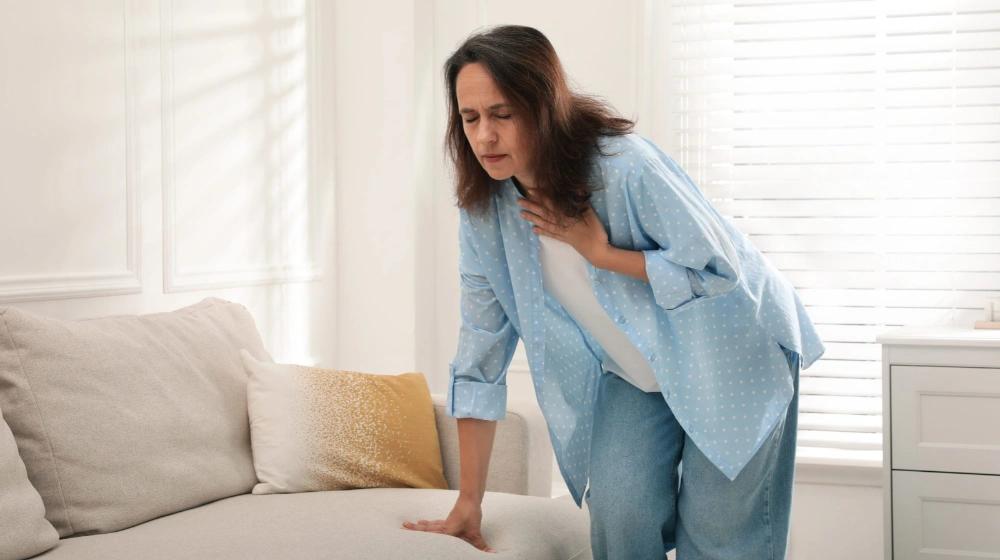
What is the problem if you stop halfway up the stairs to catch your breath - A walk that used to be easy in the past now needs a pause! Getting tired after hard exercise is normal, but breathlessness during everyday activities is worth taking seriously.
The short answer: Breathlessness while walking (exertional dyspnoea) can be caused by lung conditions such as asthma, COPD or interstitial lung disease but it can also come from the heart, anaemia (low hemoglobin), or poor fitness. Because the causes overlap, a proper evaluation is the only reliable way to find out which one it is.
This guide covers the common causes, warning signs, tests and treatment options.
What Does Breathlessness While Walking Mean?
Breathlessness is the feeling of not getting enough air. Our muscles need more oxygen when we walk. The heart and lungs work together to supply oxygen. We may feel breathless even during routine activity when either is affected by a disease or when blood cannot carry enough oxygen.
Being breathless after intense exercise is usually normal, especially if one is not very active. It needs attention when:
● Breathlessness occurs after a short walk or light activity, or when
● There is a change in the usual breathing pattern.
Common Causes of Breathlessness While Walking
1. Asthma
Asthma causes inflammation and narrowing of the airways, making it harder for air to move in and out. Exercise, dust, seasonal changes and allergens can all trigger symptoms.
Look out for: wheezing, chest tightness, a cough that is worse at night or early in the morning, and symptoms that flare after allergen exposure.
A pulmonologist may recommend pulmonary function tests to check how well your airways are working.
2. COPD
Chronic obstructive pulmonary disease (COPD) includes chronic bronchitis and emphysema. It often starts with breathlessness on exertion, such as walking uphill, climbing stairs or carrying shopping, and gradually affects routine tasks.
Other signs: a persistent cough, regular mucus, wheezing, chest tightness and frequent chest infections.
Smoking is the biggest risk factor, but long-term exposure to air pollution, dust, fumes and workplace irritants can also contribute.
3. Interstitial Lung Disease (ILD)
ILD is a group of conditions that cause inflammation and scarring of the lung tissue around the air sacs. Scarred, stiff lungs expand poorly and transfer oxygen less efficiently, so breathlessness tends to build gradually.
Look out for: breathlessness on walking upstairs, a persistent dry cough, fatigue, reduced exercise tolerance and unexplained weight loss.
Early evaluation is important because treatment depends on the specific type and cause.
4. Pulmonary Hypertension
This is abnormally high blood pressure in the arteries of the lungs. It strains the right side of the heart and reduces how well the body gets oxygen during activity.
Look out for: breathlessness on walking, unusual tiredness, dizziness or fainting, chest discomfort and swollen legs or ankles. Doctors may recommend an echocardiogram and further tests.
5. Respiratory Infections
Pneumonia and bronchitis are acute conditions which often cause fever, cough, breathlessness and sputum production. Frequently, there is also chest pain, general malaise and low oxygen levels.
6. Heart Conditions
Not all dyspnea starts in the lungs. In heart failure due to any disease, the heart pumps less effectively and fluid can build up in or around the lungs causing breathlessness, cough and low oxygen levels.
Look out for: swollen feet or ankles, unusual fatigue, breathlessness when lying flat, waking at night short of breath, chest discomfort or palpitations. Your doctor may recommend an ECG or echocardiogram.
7. Anaemia
The blood carries less oxygen when there are too few healthy red blood cells or too little haemoglobin. Even with healthy lungs, this can cause tiredness and breathlessness on exertion.
Look out for: weakness, dizziness, pale skin and a rapid heartbeat. A complete blood count (CBC) can identify it.
8. Low Fitness and Other Factors
Long periods of inactivity, obesity, pregnancy and other miscellaneous causes can also affect breathing. But any new, persistent or worsening breathlessness shouldn’t be ignored and blamed on age, weight change or lack of exercise without a proper medical check.
Is It Your Lungs, Your Heart or Something Else?
Symptoms can overlap, but some clues may help you describe the problem to a doctor:
● Wheezing, cough or chest tightness suggest lung disease (asthma, COPD).
● A dry cough with slowly increasing breathlessness may point to lung scarring (ILD).
● Swollen ankles, or breathlessness when lying flat, suggest the heart conditions.
● Fatigue, dizziness and pale skin suggest anaemia.
These are only broad indicators, not a diagnosis. The NHS advises against self-diagnosing the cause of shortness of breath and recommends seeing a doctor. If you’d like to understand the conditions a chest specialist evaluates, see Jindal Chest’s lung and respiratory diseases page.
When Should You Be Concerned?
Consider seeing a doctor if you:
● Become breathless after a short walk
● Notice your breathing getting gradually worse
● Need frequent breaks during routine activities
● Have wheezing or a persistent cough
● Feel unusually tired during everyday tasks
● Have a history of asthma, COPD or another lung condition
● Have breathlessness along with swollen legs or ankles
Seek emergency medical help if breathlessness is sudden or severe, or comes with chest pain, fainting, confusion, bluish lips, or being unable to speak comfortably. Don’t wait for a routine appointment.
How Is Breathlessness While Walking Diagnosed?
Your doctor will start with your history and an examination. Expect questions such as:
● When did it begin, and does it also happen at rest?
● How far can you walk before you get breathless?
● Do you have a cough, wheezing or chest tightness?
● Do you smoke, or have asthma or other conditions?
● Has it recently got worse?
Depending on what they find, they may recommend:
● Spirometry: measures how much air you breathe out and how fast. It’s used to assess asthma and COPD.
● DLCO test: measures how well gases pass from the lungs into the blood. It may be advised when ILD or emphysema is suspected.
● Chest X-ray: shows signs of infection, fluid or structural changes. A CT scan may follow if more detail is needed.
● Pulse oximetry: estimates blood oxygen levels, sometimes checked during activity.
● FeNO test: measures nitric oxide in your breath to detect airway inflammation linked to asthma. It is not a test for every cause of breathlessness.
● ECG and echocardiogram: assess the heart’s rhythm, structure and pumping function if a heart cause is suspected.
● Blood tests: check for anaemia, infection or other contributing conditions.
Not everyone needs every test. Your doctor will choose based on your symptoms, examination and history.
Treatment and Self-Care
Treatment depends entirely on the cause, and no single medicine works for every type of breathlessness.
● Asthma: prescribed inhalers to control inflammation or relieve airway narrowing, plus trigger avoidance and an asthma action plan.
● COPD: bronchodilator inhalers, support to stop smoking, vaccinations, pulmonary rehabilitation and other care based on severity. See the NHS guide to COPD treatment for an overview.
● ILD: treatment depends on the type and cause and may include medicines, monitoring, oxygen therapy or specialist care.
● Heart conditions: medication, lifestyle changes and cardiac care.
● Anaemia: treatment depends on the cause, such as iron or vitamin supplements when a deficiency is confirmed.
Don’t use inhalers, antibiotics or other medicines without medical advice.
Everyday steps that help:
● Follow the activity plan your doctor recommends.
● Avoid smoking, and reduce exposure to dust, smoke and fumes.
● Maintain a healthy weight.
● Take prescribed medicines as directed and keep follow-up appointments.
● Ask your doctor about breathing techniques such as pursed-lip breathing, which may help some people with COPD.
If your breathlessness is unexplained or getting worse, check with a doctor before starting a new exercise routine.
What Is Pulmonary Rehabilitation?
Pulmonary rehabilitation is a supervised programme for people with chronic lung conditions such as COPD or ILD. It usually includes supervised exercise, breathing techniques, education about your condition, guidance on managing breathlessness, nutritional advice and support to be more active.
It doesn’t cure lung disease or reverse existing damage, but for suitable patients it can improve exercise tolerance, symptom control and quality of life.
Get Your Breathlessness Evaluated at Jindal Chest, Chandigarh
Breathlessness while walking can be an early sign of a respiratory or heart condition. Occasional breathlessness after strenuous activity is normal, but repeated difficulty during routine activity deserves attention.
Jindal Chest, Chandigarh offers pulmonary medicine services and diagnostic facilities, including lung function testing and specialised respiratory investigations. If you often feel breathless while walking, climbing stairs or doing everyday tasks, book an appointment to discuss the possible cause with a chest specialist.
Frequently Asked Questions
Why do I feel breathless after walking a short distance?
Asthma, COPD, interstitial lung disease, heart problems, anaemia or low fitness could be responsible. New or persistent breathlessness should be checked by a doctor.
Is breathlessness while walking always a lung problem?
No. Heart disease, anaemia, obesity and other conditions can also cause it, which is why proper evaluation matters.
Can asthma cause breathlessness while walking?
Yes. Airway narrowing and inflammation can cause breathlessness during activity, often with wheezing, chest tightness and cough.
What’s the difference between normal and abnormal breathlessness?
Normal breathlessness follows strenuous activity and settles with rest. Breathlessness after minimal activity, at rest, or that is sudden or steadily worsening needs medical assessment.
Which test checks lung function?
Spirometry is the most common. Depending on your symptoms, you may also need DLCO, FeNO, oxygen saturation measurement or chest imaging.
Can low haemoglobin cause breathlessness while walking?
Yes. Low haemoglobin reduces the oxygen your blood can carry, which can cause tiredness and breathlessness on exertion.
Can pulmonary rehabilitation help?
For suitable patients with chronic lung conditions, it can improve exercise tolerance, breathing management and daily functioning.
When should I see a pulmonologist?
When breathlessness is persistent, worsening, occurs after minimal activity, or comes with a cough, wheezing or other respiratory symptoms. Sudden or severe breathlessness needs emergency care.
