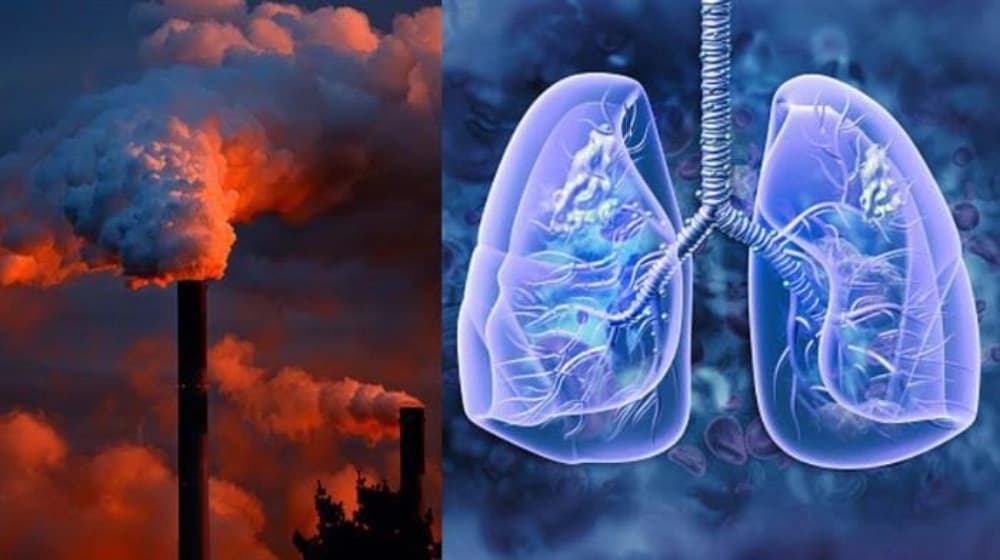
Air pollution is more than an environmental concern,it can directly affect the respiratory system every time we breathe. From throat irritation and persistent coughing to worsening asthma, COPD and reduced lung function, air pollution effects on lungs can range from temporary symptoms to serious long-term health problems.
Fine particles such as PM2.5 can travel deep into the lungs and, because of their extremely small size, may even enter the bloodstream. Other pollutants, including ozone, nitrogen dioxide, sulphur dioxide and carbon monoxide, can also irritate the respiratory system and contribute to inflammation and breathing difficulties.
For people living in areas with frequent pollution, understanding the effects of air pollution on the lungs, recognising warning signs and reducing exposure can help protect respiratory health.
Key Takeaways
-
Air pollution can cause both short-term and long-term effects on lung health.
-
PM2.5 and other fine particles can reach deep into the lungs.
-
Common symptoms include coughing, wheezing, throat irritation, chest tightness and breathlessness.
-
Pollution can trigger asthma symptoms and worsen COPD.
-
Long-term exposure is associated with reduced lung function, respiratory disease and increased lung cancer risk.
-
Children, older adults and people with existing lung conditions may be particularly vulnerable.
-
Reducing exposure and seeking medical evaluation for persistent symptoms can help protect lung health.
What Is Air Pollution?
Air pollution refers to harmful particles, gases and other substances present in the air at concentrations that can affect human health.
Common outdoor air pollutants include:
-
PM2.5: Fine particulate matter smaller than 2.5 micrometres
-
PM10: Particles smaller than 10 micrometres
-
Nitrogen dioxide (NO₂): Commonly associated with vehicle and fuel combustion
-
Sulphur dioxide (SO₂): Produced mainly by burning sulphur-containing fuels
-
Ground-level ozone (O₃): A major component of photochemical smog
-
Carbon monoxide (CO): A toxic gas produced by incomplete combustion
Among these pollutants, particulate matter is particularly important for lung health because smaller particles can travel deeper into the respiratory system.
Air pollution can come from traffic, industries, construction activity, power generation, waste burning, fires and household fuel use.
How Does Air Pollution Affect the Lungs?
When polluted air is inhaled, the respiratory system acts as the first major route of exposure.
Larger particles may be trapped in the nose and upper airways. However, fine particles such as PM2.5 can travel further into the respiratory tract and reach the smaller airways and alveoli,the tiny air sacs responsible for gas exchange.
Repeated exposure can contribute to:
-
Airway irritation
-
Inflammation of the respiratory tract
-
Increased mucus production
-
Airway narrowing
-
Reduced lung function
-
Increased sensitivity of the airways
-
Worsening of existing respiratory diseases
WHO reports that air pollution can cause inflammation and oxidative stress and that fine particulate matter can penetrate deep into the lungs and potentially enter the bloodstream.
Why Is PM2.5 Particularly Concerning?
The smaller the particle, the deeper it can travel into the respiratory system.
PM2.5 can reach areas of the lungs where gas exchange occurs. Long-term exposure to particulate matter has been associated with respiratory diseases, cardiovascular disease and lung cancer.
This is one reason why simply avoiding visibly smoky areas is not enough. Air can look relatively clear while still containing harmful fine particles.
Short-Term Effects of Air Pollution on the Lungs
Not everyone responds to pollution in exactly the same way. Some people may notice symptoms within hours, while others may have few immediate symptoms despite repeated exposure.
Common short-term effects of air pollution on lungs include:
1. Coughing
Polluted air can irritate the airways and trigger coughing. Some people may develop a dry cough, while others may experience increased mucus production.
A cough that repeatedly returns on days with poor air quality should not automatically be dismissed as a seasonal problem.
2. Throat and Airway Irritation
Exposure to pollutants can cause:
-
Throat irritation
-
Burning or discomfort
-
Frequent throat clearing
-
Nose irritation
-
Increased mucus
3. Wheezing
Wheezing is a high-pitched sound that may occur when air moves through narrowed airways.
Pollution exposure can trigger or worsen wheezing, particularly in people with asthma or other airway diseases.
4. Shortness of Breath
Breathlessness may become noticeable during walking, climbing stairs or exercising, particularly when pollution levels are high.
People with asthma, COPD or other respiratory conditions may experience more pronounced symptoms.
5. Chest Tightness
Some people experience pressure, heaviness or tightness in the chest after exposure to polluted air.
If chest discomfort is severe, sudden or associated with significant breathing difficulty, it requires prompt medical assessment rather than being assumed to be caused by pollution.
6. Reduced Exercise Tolerance
Pollution-related airway irritation may make physical activity feel more difficult. You may notice that activities that were previously comfortable now cause coughing or breathlessness.
Long-Term Effects of Air Pollution on Lungs
The concern is not only what happens during a single high-pollution day. Repeated or prolonged exposure can have more significant consequences.
1. Reduced Lung Function
Long-term exposure to air pollution can contribute to impaired lung function. This can be particularly concerning during childhood, when the lungs are still developing.
WHO identifies poor air quality as a risk factor that can worsen respiratory health and contribute to declining lung function.
2. Worsening of Asthma
Air pollution can irritate sensitive airways and trigger asthma symptoms.
People with asthma may experience:
-
More frequent coughing
-
Wheezing
-
Chest tightness
-
Breathlessness
-
Increased need for prescribed medication
-
Asthma attacks
Fine particle and ozone exposure have been associated with worsening asthma symptoms and increased healthcare utilisation.
3. Worsening of COPD
People with chronic obstructive pulmonary disease (COPD) may be particularly sensitive to polluted air.
Exposure can worsen:
-
Cough
-
Phlegm production
-
Wheezing
-
Breathlessness
-
Exercise tolerance
Air pollution is recognised as an important environmental risk factor associated with respiratory disease, including COPD.
4. Increased Risk of Respiratory Infections
Air pollution can interfere with the normal protective mechanisms of the respiratory tract.
This may increase vulnerability to respiratory infections, particularly among people who are already at higher risk.
Children and older adults can be especially vulnerable to severe respiratory illness following exposure to air pollution.
5. Chronic Airway Inflammation
Repeated exposure to pollutants can contribute to ongoing inflammation in the respiratory system.
Over time, persistent airway irritation may affect breathing and worsen underlying respiratory conditions.
6. Lung Cancer Risk
Long-term exposure to particulate air pollution is associated with an increased risk of lung cancer. WHO’s air-quality guidance identifies particulate matter as a major health concern and notes its established relationship with lung cancer.
This does not mean that everyone exposed to pollution will develop lung cancer. Lung cancer has multiple risk factors, including smoking and occupational exposures, but air pollution is an important environmental risk factor.
Who Is More Vulnerable to Air Pollution?
Although air pollution can affect anyone, certain groups may face greater health risks.
Children
Children breathe more air relative to their body size and have developing lungs. Pollution exposure during childhood can affect respiratory health and lung development.
Older Adults
Lung function naturally changes with age, and older adults are more likely to have underlying medical conditions that can be worsened by pollution exposure.
People With Asthma
Pollution can trigger airway inflammation and asthma symptoms.
People With COPD
Those with COPD may experience worsening breathlessness and other symptoms during periods of poor air quality.
People With Heart or Lung Disease
People with existing cardiovascular or respiratory diseases may be more vulnerable to the effects of particulate pollution.
Pregnant Women
Pregnancy is another period when reducing exposure to harmful air pollution is important because air pollution can affect maternal and fetal health.
What Are the Symptoms of Pollution-Related Lung Problems?
Possible symptoms include:
-
Persistent or recurrent cough
-
Wheezing
-
Shortness of breath
-
Chest tightness
-
Increased mucus or phlegm
-
Throat irritation
-
Difficulty exercising
-
Breathing discomfort
-
Worsening asthma symptoms
However, these symptoms are not specific to air pollution. They can also occur with asthma, COPD, respiratory infections, allergies, heart conditions and other medical problems.
Therefore, persistent or worsening symptoms should be evaluated rather than automatically attributed to pollution.
Can Air Pollution Cause Breathlessness?
Yes, exposure to polluted air can contribute to breathing difficulties.
Fine particles and irritating gases can inflame the airways and worsen conditions such as asthma and COPD. Research from Delhi has also found associations between short-term air-pollution exposure and emergency visits for acute respiratory symptoms.
If breathlessness is new, persistent, progressively worsening or interfering with everyday activities, it is important to identify the underlying cause.
How to Protect Your Lungs From Air Pollution
Completely avoiding air pollution may not always be possible, but reducing exposure can help.
1. Check the Air Quality Before Outdoor Activities
On days when air quality is poor, consider reducing unnecessary outdoor exposure, especially during periods when pollution levels are highest.
2. Avoid Heavy Outdoor Exercise During High Pollution
Running or intense exercise increases the amount of air you breathe. During periods of poor air quality, consider moving strenuous exercise indoors.
3. Use a Well-Fitting Mask When Appropriate
A properly fitted particulate-filtering mask can reduce inhalation of airborne particles. Fit and correct use matter.
4. Improve Indoor Air Quality
Outdoor pollution is not the only concern. Indoor air can also contain smoke, cooking-related pollutants, dust and other irritants.
Useful measures may include:
-
Avoiding indoor smoking
-
Improving ventilation when outdoor air quality permits
-
Maintaining cooking exhaust systems
-
Reducing unnecessary dust accumulation
-
Maintaining air-cleaning devices according to manufacturer instructions
5. Keep Windows Closed During Severe Pollution Episodes
When outdoor air quality is particularly poor, limiting the entry of polluted outdoor air may help reduce indoor exposure.
However, ventilation should be managed appropriately because indoor air quality can also deteriorate without adequate fresh-air exchange.
6. Follow Your Prescribed Asthma or COPD Treatment
If you already have asthma or COPD, continue your prescribed treatment plan and keep rescue medication available as instructed by your doctor.
Do not start, stop or change inhalers without medical advice.
Does an Air Purifier Help With Air Pollution?
An appropriately selected and maintained air purifier can reduce certain airborne particles indoors, particularly particulate matter.
However, an air purifier should not be considered a complete solution.
It does not replace:
-
Reducing pollution exposure
-
Avoiding indoor smoking
-
Adequate ventilation when appropriate
-
Medical treatment for respiratory disease
-
Professional evaluation of persistent symptoms
The effectiveness also depends on factors such as room size, filtration technology, device capacity and maintenance.
When Should You See a Chest Specialist?
Do not ignore respiratory symptoms simply because pollution is high.
Consider medical evaluation if you experience:
-
Cough that persists or repeatedly returns
-
Breathlessness during routine activities
-
Recurrent wheezing
-
Persistent chest tightness
-
Increased mucus or phlegm
-
Frequent asthma symptoms
-
Repeated respiratory infections
-
A noticeable decline in exercise tolerance
-
Worsening COPD symptoms
Seek urgent medical attention for severe or sudden breathing difficulty, blue or grey lips, fainting, confusion, severe chest pain or coughing up significant amounts of blood.
A pulmonologist may evaluate your symptoms, medical history and exposure pattern and recommend tests such as spirometry, chest imaging or other lung-function investigations when appropriate.
At Jindal Chest, pulmonary evaluation includes specialised respiratory care and lung-function testing such as spirometry, with services for conditions including asthma, COPD and other lung diseases.
Frequently Asked Questions
What are the effects of air pollution on lungs?
Air pollution can irritate and inflame the airways, cause coughing and wheezing, worsen asthma and COPD, reduce lung function and contribute to long-term respiratory disease. Long-term particulate exposure is also associated with increased lung cancer risk.
Can air pollution damage your lungs permanently?
Repeated or long-term exposure to air pollution can contribute to chronic respiratory problems and impaired lung function. The extent of harm varies depending on the pollutant, concentration, duration of exposure and individual health factors.
Does PM2.5 affect the lungs?
Yes. PM2.5 is small enough to travel deep into the respiratory system. Long-term exposure has been associated with respiratory and cardiovascular disease and lung cancer.
Can air pollution cause asthma?
Air pollution can contribute to the development or worsening of asthma and can trigger symptoms in people with existing asthma.
Can pollution cause coughing and breathlessness?
Yes. Air pollution can irritate the airways and contribute to coughing, wheezing and breathlessness, particularly in people with sensitive or diseased airways.
Is air pollution harmful for people who do not smoke?
Yes. Smoking is an important risk factor for lung disease, but non-smokers can also experience health effects from outdoor and indoor air pollution.
Is air pollution worse for people with COPD?
People with COPD can be particularly vulnerable to polluted air because exposure may worsen respiratory symptoms and contribute to exacerbations.
Can children be affected by air pollution?
Yes. Children are vulnerable because their lungs are still developing, and air pollution exposure can affect respiratory health and lung development.
What is the best way to protect lungs from air pollution?
Reducing exposure is the most important step. Monitor air quality, avoid strenuous outdoor activity during severe pollution, reduce indoor pollutants, use appropriate respiratory protection when needed and follow prescribed treatment for existing lung conditions.
Final Takeaway
The effects of air pollution on lungs can begin with symptoms that seem minor,such as coughing, throat irritation or breathlessness,but repeated exposure can have more significant consequences for respiratory health.
PM2.5 and other pollutants can reach deep into the lungs and contribute to inflammation, reduced lung function and worsening of conditions such as asthma and COPD. Long-term exposure is also associated with serious diseases, including lung cancer.
You cannot always control the air around you, but you can control how you respond to it. Paying attention to air quality, reducing unnecessary exposure and seeking medical advice for persistent symptoms can help protect your lungs.
If you are experiencing persistent cough, wheezing, breathlessness or other respiratory symptoms, consult a qualified chest specialist or pulmonologist for an appropriate evaluation rather than self-diagnosing the cause. You can contact Jindal Chest to book a consultation.
About Jindal Chest
Jindal Chest is a specialised pulmonary care centre in Chandigarh providing evaluation and treatment for respiratory and lung conditions. The clinic offers pulmonary function testing and specialised respiratory services under experienced chest physicians.
